


Why Most Florida Homes Heat With the Same System That Cools Them
Ask a homeowner in Ohio what heats their house and they will say the furnace. Ask one in Tampa and there is a good chance they are not sure. That is because most Florida homes do not have a furnace at all. They have a heat pump: the same outdoor unit that cools the house all summer, running in reverse for the few weeks a year it needs to warm it.
If you are replacing a heating system, or building or buying a home and deciding what should be in it, this guide explains how each option actually works in a mild, humid climate, what the real trade-offs are, and which homes each one fits. We install both, so the answer is not a sales pitch.
A heat pump moves heat. A furnace makes it.
That one sentence explains most of the differences below. A heat pump pulls heat out of outdoor air and moves it inside, which is efficient when the outdoor air is 45 degrees and hard work when it is 5. A furnace burns gas or runs electric elements to create heat from scratch, which works at any temperature but uses more energy to do it. Florida winters are the first case, not the second.
Heat Pump vs. Furnace: How They Compare in Florida
| Heat pump | Furnace (gas or electric) | |
|---|---|---|
| How it heats | Moves heat from outdoor air indoors | Generates heat by burning gas or running electric elements |
| Cooling | Included. Same unit cools in summer | Needs a separate air conditioner |
| Efficiency in mild winters | Very high. Ideal for Florida | Lower. Built for cold climates |
| Feel of the air | Warm, not hot. Gradual warming | Hot air, fast warming |
| Very cold nights | Backup electric strips engage | Full output regardless of temperature |
| Fuel | Electric only | Natural gas, propane or electric |
| Equipment to maintain | One system | Two systems (furnace + AC) |
| Typical Florida lifespan | 10 to 15 years, running year-round | 15 to 20 years, running a few weeks a year |
| Incentives | Often qualifies for efficiency rebates | Rarely |
| Best fit | Most Tampa Bay and Clermont homes | Homes with gas service and a preference for hot air |
Where a Heat Pump Wins, and Where a Furnace Does
Heat pump: the Florida default
One system, one install, one maintenance plan. It cools in summer and heats in winter. You are not buying and servicing two pieces of equipment.
Built for exactly this climate. Moving heat out of 50-degree air is what a heat pump does best. Florida winters rarely ask more of it.
Rebates and incentives. High-efficiency heat pumps are the equipment most programs are designed around.
No gas line required. Most Florida homes do not have gas service. A heat pump does not need it.
Furnace: the right call in a narrower set of homes
You already have gas. If the home has gas service and a furnace-ready air handler, replacing like for like is simple and the fuel is there.
You want hot air, fast. Furnace air is noticeably hotter at the vent. Some people will not give that up.
Large home, dual fuel. A heat pump for everyday heating with a furnace that takes over on the coldest nights. More equipment, most comfort.
Longer service life. A furnace that runs a few weeks a year can outlast a heat pump that runs all year.
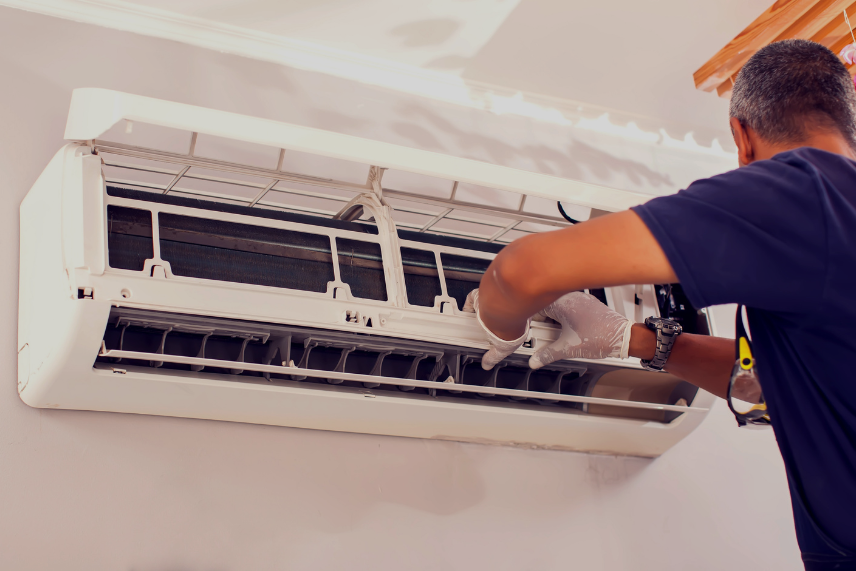
The best system is the one sized correctly for the house. A perfectly chosen heat pump installed without a load calculation will underperform a furnace installed with one.
What a proper heating install includes, from load calculation to startup. Financing available.
Heat Pump ServicesRepair, maintenance and replacement for the system most Florida homes rely on.
Mini Split vs. Central ACThe other big Florida system decision, compared the same way.
A Quick Decision List
No gas service at the house
Heat pump. Bringing gas in for a furnace alone almost never makes sense.
Existing furnace and separate AC, both aging
Strong case for replacing both with one heat pump. Often rebate-eligible.
Existing gas furnace, AC is fine
Replace the furnace like for like, or discuss a dual-fuel setup at the next AC replacement.
Large two-story home, cold rooms upstairs
Dual fuel, or a heat pump with a zoning evaluation. The problem may be ducts, not fuel.
Manufactured home or small footprint
Heat pump package unit. One outdoor cabinet does everything.
Addition, garage or bonus room
Ductless mini split heat pump. Heats and cools the space without touching the main system.
Keeping Whichever System You Have Running
If you are not replacing anything yet, the most useful thing you can do is a fall heating tune-up. For a heat pump, that means checking the reversing valve, defrost control and backup strips before the first cold morning. For a furnace, it means the igniter, flame sensor, heat exchanger and venting. Read what a Florida heating tune-up covers, and if the heat is already acting up, start with the checks to run before you call.
Wondering how many years the current system has left? See how long HVAC systems and heat pumps last in Florida.
Heat pump repair is available across Tampa and Clermont, and all heating service through our heating services page.
Frequently Asked Questions
For most Florida homes, yes. A heat pump handles mild winters efficiently, cools the house in summer, and means one system to buy and maintain. A furnace makes more sense in a home with existing gas service where the owner wants stronger heat on the coldest mornings, or in a larger home paired with a heat pump in a dual-fuel setup.
Three real ones. The air from the vents feels cooler than furnace air, even though it is warming the house. Heating output drops as outdoor temperature drops, which matters more in Georgia than in Tampa. And because it runs year-round for both heating and cooling, it accumulates hours faster than a furnace that works a few weeks a year.
Yes. Modern heat pumps heat effectively well below freezing, and Florida rarely gets there for long. On the coldest nights the electric backup strips engage to make up the difference. Those strips cost more to run, which is why a properly sized heat pump that does not lean on them is important.
Typically 10 to 15 years, sometimes less near the coast where salt air corrodes the outdoor coil. Because a Florida heat pump runs for cooling most of the year, it ages faster than the same unit installed up north. Regular maintenance is what pushes it toward the top of that range. See our guide on how long HVAC systems last in Florida.
Usually, yes. If your home has a furnace paired with a separate air conditioner, replacing both with a single heat pump system is a common upgrade and often qualifies for efficiency incentives. The existing ductwork can typically be reused after evaluation. Gas lines are capped or left for other appliances.
Often. High-efficiency heat pumps regularly qualify for federal tax incentives and utility rebates, but programs and qualifying equipment change. We review the options that apply to the specific equipment you choose during the in-home assessment.

