


That Smell Is Your Heat Pump Trying to Tell You Something
Your heat pump keeps you comfortable in both Florida's long cooling season and its occasional cold snaps. So when it starts giving off a strange odor, it's natural to be concerned — and you should be paying attention. Heat pump smells range from completely harmless to genuinely hazardous.
The key to knowing which is which is identifying the specific scent. This guide breaks down the most common odors, what each one usually means, and when it's time to shut the system down and call a professional.
Some smells clear on their own. Others are early warnings of something worse.
Heat pump odors almost always trace back to moisture, dust, or neglected maintenance — all of which are manageable with the right response. The single best prevention is regular professional maintenance, where a technician catches problems before they turn into smells or breakdowns. Between visits, change your filter on schedule and keep the area around your outdoor unit clear.
6 Heat Pump Smells — What Each One Means
Each odor points to a different cause. Some are harmless. Some need attention. A few are emergencies. Here's how to tell them apart.
Musty or "Dirty Sock" Smell
A musty, dirty-sock odor is the single most common heat pump smell in Florida. Our humidity creates constant moisture on the evaporator coil, and that damp, dark environment is exactly where mold, mildew, and bacteria love to grow.
Burning or Burning-Dust Smell
First time switching on after a long idle? Dust burning off the heating elements is normal and clears within minutes. But if you smell melting plastic or burning rubber, that points to an electrical fault or overheating component.
Rotten Egg or Sulfur Smell
A rotten-egg smell should always be taken seriously. It can indicate a natural gas leak (in homes with a gas component) or a dead animal in the ductwork. Either way — treat it as urgent.
Sweet, Chemical, or Fishy Smell
A sweet or chemical odor — sometimes described as faintly fishy — can signal a refrigerant leak. Refrigerant is essential to how your system cools, and a leak both hurts performance and can be harmful to breathe.
Electrical, Metallic, or Burnt Plastic
An acrid electrical or hot-metal smell, or the scent of burnt plastic, suggests overheating in the motor, wiring, or other components. These odors can precede an electrical failure or fire.
Burning Dust (First Run)
If you smell burning dust the very first time you switch on heat after a long idle period, it's often just dust burning off the heating elements. This usually clears within a few minutes and isn't cause for alarm.
How to Prevent Heat Pump Odors
Most odor problems trace back to moisture, dust, and neglected maintenance — all of which are manageable. In Florida specifically, controlling humidity and keeping the coil clean does most of the work.
Change your filter on schedule. A clogged filter traps moisture and feeds mold growth on the coil — the root cause of most musty heat pump smells in Florida.
Keep the condensate drain line clear. A clogged drain creates standing water that feeds biological growth and can trigger your safety float switch, shutting the system down.
Schedule annual professional maintenance. A technician catches clogged filters, drainage issues, refrigerant problems, and early electrical wear before they turn into smells — or breakdowns.
Keep the area around your outdoor unit clear. Debris, overgrowth, and pests near the outdoor unit can be drawn into the system and create odors indoors.
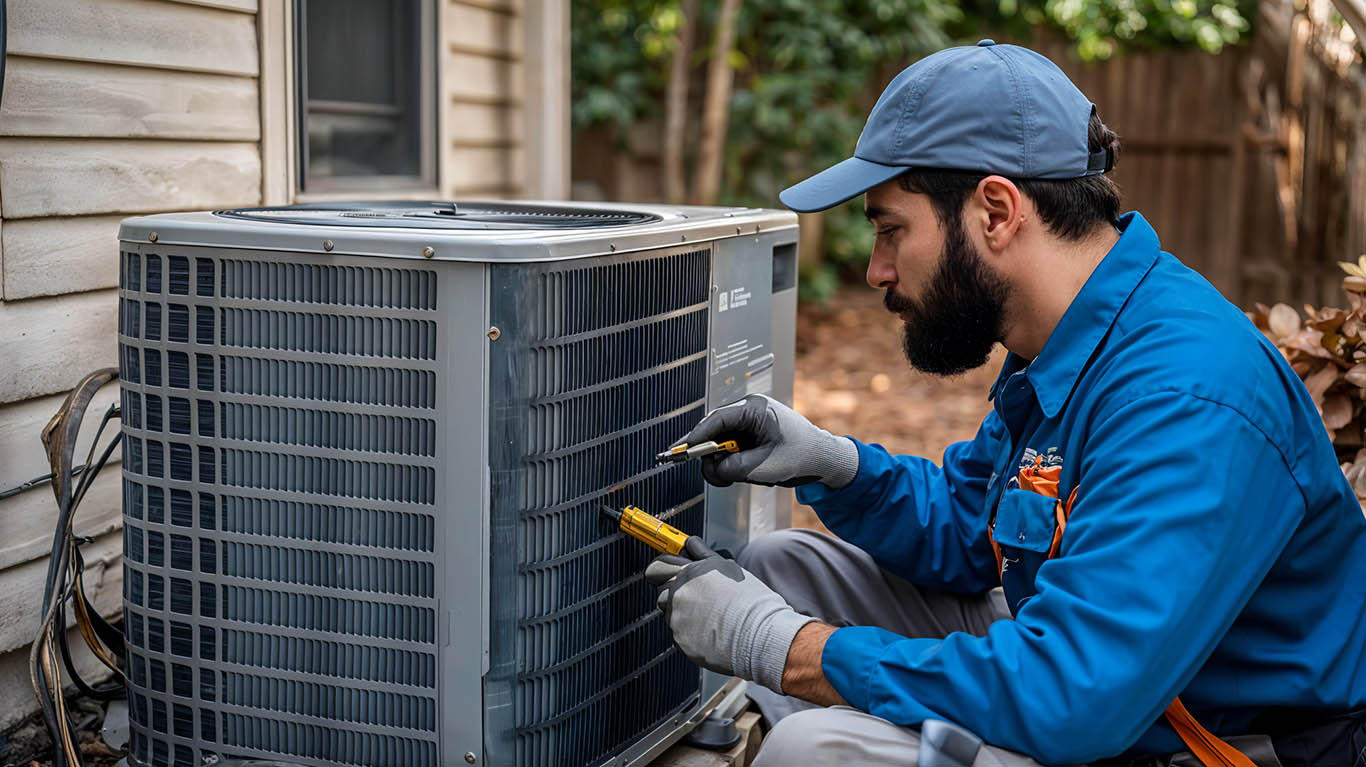
Don't ignore a strange smell — some are harmless and clear on their own, but others are early warnings of a problem that's cheaper and safer to fix now than later. When in doubt, have an experienced technician take a look.
Burning smell, electrical odor, or rotten egg? Don't wait — Expert Home Service dispatches 24/7 across Tampa Bay.
Maintenance Protection PlanRegular maintenance catches odor-causing issues — clogged drains, dirty coils, early electrical wear — before they become problems.
Indoor Air Quality ServicesPersistent musty odors often mean mold on your coil. Our IAQ services address the source — not just the smell.
Frequently Asked Questions
Start by replacing the air filter and making sure the condensate drain line is clear, which resolves many musty odors. If the smell persists, it usually means mold has established inside the system and needs professional cleaning. Burning, chemical, or rotten-egg smells should never be waited out — shut the system off and call a professional.
Not always, but in Florida's humidity a musty, dirty-sock odor very often points to mold or mildew growing on the damp evaporator coil. It's worth having inspected, because the smell rarely clears on its own and the growth circulates through your home. Our Indoor Air Quality services address this at the source.
A refrigerant leak often produces a sweet, chemical, or faintly fishy odor. Because a leak harms both system performance and your health, switch the unit off and call a technician — refrigerant must be handled by a trained professional only.
A standard electric heat pump doesn't produce carbon monoxide because it doesn't burn fuel. Homes with a gas furnace or gas backup component should still have working CO detectors. Any rotten-egg or gas-like smell should be treated as an emergency — leave the home and call your gas utility.
It can. Odors near the outdoor unit, or pests and debris in the ductwork, can be drawn into the system and circulated indoors. If a smell seems to come from outside or appears suddenly, an inspection of the unit and ducts can identify the source.
Treat melting-plastic, burning-rubber, electrical, hot-metal, and rotten-egg smells as urgent. Shut the system off, cut the power, and call a professional — these can indicate electrical faults or gas issues that pose a fire or safety risk. Expert Home Service is available 24/7.
