


Not Every Breakdown Needs a Same-Day Truck. Here's How to Tell
When the air conditioner quits in a Tampa Bay or Clermont house in the middle of summer, it feels like an emergency within about twenty minutes. Sometimes it is. Sometimes it is a tripped breaker, a clogged drain line or a coil that needs to thaw, and the right move is to turn the system off, run the checks below, and book a regular visit.
This guide sorts the two apart, tells you what to do in the hours before a technician arrives, and explains how our dispatch prioritizes calls so you know what to say when you phone.
The first thing to do is usually to turn it off.
A system that is frozen, short-cycling, tripping breakers or making a new mechanical noise is telling you something is failing. Running it anyway is how a capacitor or fan motor repair becomes a compressor replacement. Shut it off at the thermostat, then work through the checks.
Call Now, or Book a Regular Visit?
Call now. This is an emergency.
- No cooling at all in an occupied home during hot weather, especially with infants, elderly residents or anyone with a health condition inside.
- Burning or electrical smell from the vents or the outdoor unit. Turn the system off at the breaker and call.
- Breaker trips repeatedly. Reset it once. If it trips again, stop. Something is drawing too much current.
- Water pouring from the air handler, ceiling or closet. A backed-up drain or cracked pan is damaging the house every hour.
- Ice on the refrigerant lines with the system still running. Turn it off and call; the compressor is at risk.
- Loud new mechanical noise: grinding, screeching, banging. Turn it off and call.
Can wait. Book a regular visit.
- Cooling, but not as well as it should. House holds 78 instead of 74. Book a diagnostic.
- Runs longer than it used to or cycles more often. Usually a dirty coil, weak capacitor or refrigerant slowly low.
- One room warm, others fine. Almost always ductwork or airflow, not the unit.
- Musty smell at startup. Drain line or coil growth. A maintenance visit handles it.
- Frozen coil, system now off. Once it has thawed and the house is livable, this can wait until the next available slot.
- Thermostat acting up. Replace the batteries first. If it still misbehaves, schedule.
What to Do in the Hours Before the Technician Arrives
Not the breaker unless you smell burning. Off at the thermostat lets a frozen coil thaw and stops a failing part from doing more damage.
Air handler and outdoor unit each have one. Reset once. If it trips again, leave it off and tell dispatch.
A filter packed solid can trip a safety switch and shut the whole system down. Replace it and try the system once more.
Standing water under the air handler means the float switch shut the system off. Clearing the drain line often restores cooling until the visit.
Ceiling fans do not lower temperature but they make 82 feel like 78. Keep vulnerable people in the coolest part of the house.
Frozen lines, a smell, a noise, water. It changes how the call is prioritized and what the technician brings.
The Five Things Behind Most Florida No-Cooling Calls
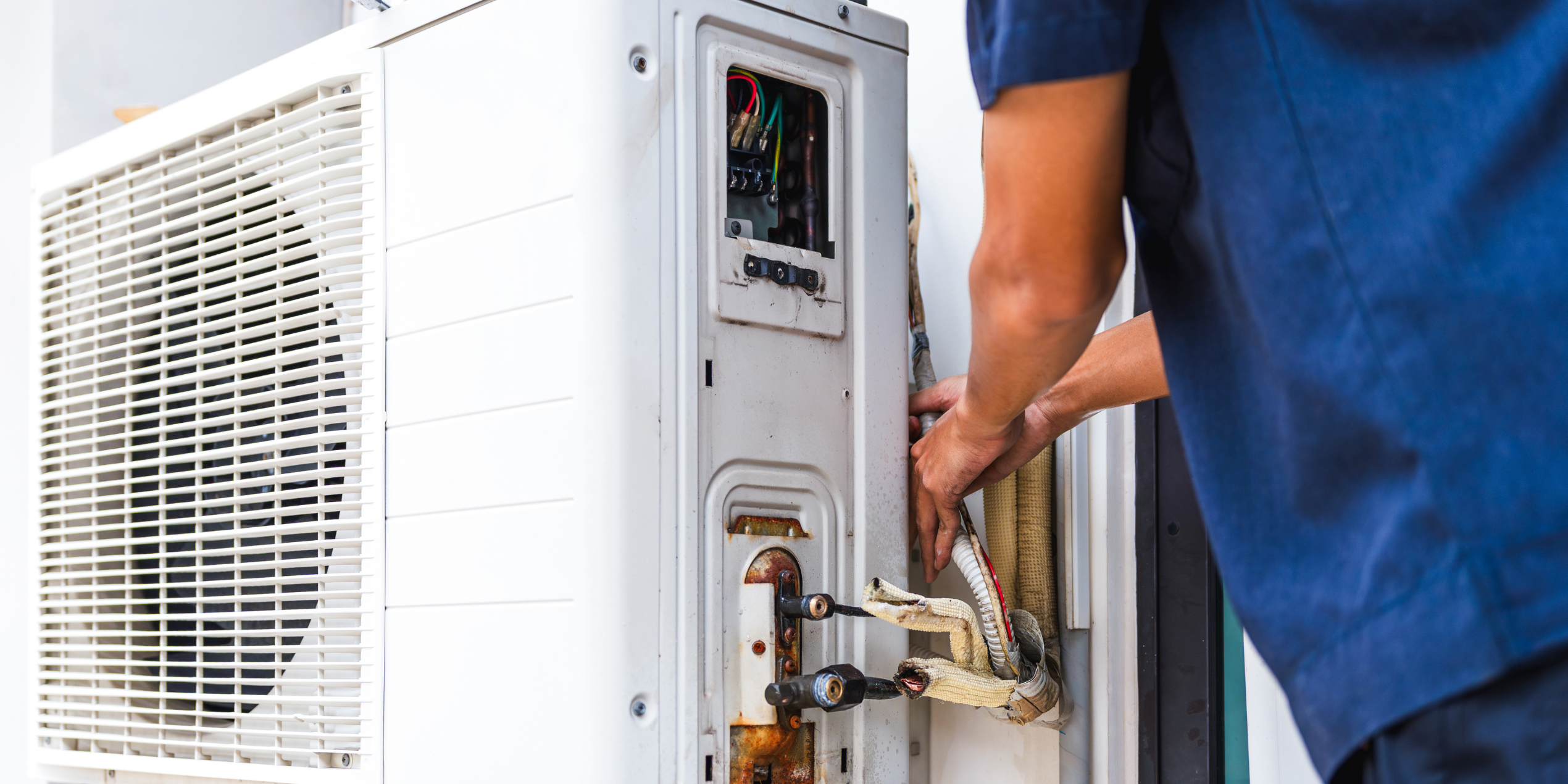
Capacitor. The most common single failure. The outdoor unit hums but the fan does not spin, or the compressor never starts. Usually a same-visit fix.
Clogged drain line and float switch. Florida humidity means gallons of condensate a day. Algae clogs the line, the pan fills, the switch shuts the system off. Also usually same-visit.
Frozen evaporator coil. Restricted airflow or low refrigerant freezes the indoor coil solid. Needs to thaw, then the cause needs finding.
Contactor or control board. Electrical components worn by a summer of constant cycling. Diagnosed on site, usually repaired same visit.
Refrigerant leak. Cooling fades over days, then stops. Finding and fixing the leak matters more than topping it off; a top-off alone comes back.
Most emergency calls end in a capacitor, a drain line or a contactor. The expensive ones are the systems that kept running after they should have been turned off.
Same-day priority for homes without cooling across Tampa Bay and Clermont.
AC Repair vs. ReplaceWhen the emergency repair is worth it, and when it is throwing money at an old system.
Protection PlanPriority scheduling, two tune-ups a year and a repair discount. The fastest line on a hot day.
Where We Dispatch Emergency AC Repair
Our Tampa office covers Hillsborough and Pasco County, including emergency AC repair in Tampa and South Tampa. Our Clermont office covers Lake and west Orange County, including emergency AC repair in Clermont.
You can also schedule online any time. Non-emergency repairs are handled through AC repair services. If you are weighing whether an old system is worth fixing at all, our guide on how long an AC lasts in Florida is the place to start.
Frequently Asked Questions
No cooling at all in an occupied home during hot weather, especially with infants, elderly residents, or anyone with a health condition inside. Also any burning or electrical smell, a breaker that keeps tripping, water pouring from the air handler, or ice on the refrigerant lines with the system still running. Those get same-day priority.
Turn the system off at the thermostat so a frozen coil can thaw and a failing compressor does not run itself to death. Close blinds, run ceiling fans, and check the breaker, the filter and the drain pan. Then call. If the house is climbing past the mid-80s with vulnerable people inside, say so when you call and it will be prioritized.
Not by itself, but it is a stop-and-call situation. Turn the system off and let the coil thaw completely, which takes several hours. Running it frozen can destroy the compressor, and that turns a modest repair into a replacement. The cause is usually a clogged filter, a failed blower or low refrigerant, and a technician needs to find which.
Every repair is quoted after the technician diagnoses the system, so the price depends on what failed, not on the day it failed. What an emergency does change is scheduling: no-cooling calls in hot weather move to the front of the line. Protection Plan members get priority scheduling on every call.
Non-emergency calls are scheduled same-day or next-day depending on the queue. A home without cooling during the warm months is prioritized for same-day dispatch. Call the Tampa or Clermont line and tell dispatch the system is down.
A new grinding, screeching, banging or buzzing sound means something mechanical or electrical is failing. Running it risks turning a fan motor or capacitor repair into a compressor replacement. Turn it off and schedule service. A soft hum or the normal click at startup is fine.

