


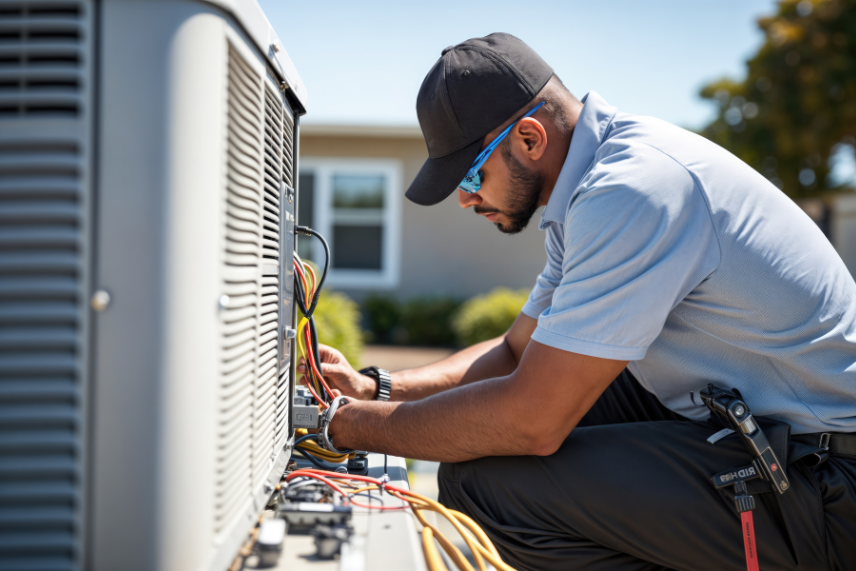
In Florida, Your AC Works Harder Than Almost Anywhere Else
The combination of extreme heat, relentless humidity, salty coastal air, and nearly year-round operation puts unique stress on AC systems in Tampa Bay and across Florida. Unlike northern states where systems get a seasonal break, Florida's climate pushes your unit to run far more frequently — and for longer cycles.
The average AC unit in Florida lasts 8 to 15 years — significantly shorter than the national average of 15 to 20 years. Knowing what affects your system's longevity, how to extend its life, and when replacement makes more sense than another repair can save you thousands in the long run.
Age alone doesn't tell the whole story — condition does.
A 12-year-old system with good maintenance may still have useful life left. A 7-year-old unit with recurring airflow issues, coil neglect, and repeated electrical strain may already be aging faster than it should. The difference between equipment age and equipment condition is what determines whether repair or replacement is the right move.
How Long Does an AC Last in Florida? It Depends Where You Are.
Florida AC lifespan varies significantly by location and system type. Coastal homes bear the harshest conditions — salt air accelerates corrosion on outdoor coils, copper lines, and electrical components faster than most homeowners realize.
| Factor | Type / Location | Expected Lifespan |
|---|---|---|
| Geography | Coastal homes (within 5 miles of ocean) | 7 – 10 years |
| Geography | Inland homes | 10 – 14 years |
| System Type | Central AC & Heat Pumps | 8 – 14 years |
| System Type | Ductless Mini-Splits | 10 – 15 years |
| System Type | Packaged Units (fully exposed outdoors) | 7 – 12 years |
| Maintenance | Regular annual tune-ups | +3 to 7 years |
These are averages — your specific system's condition, installation quality, and maintenance history all affect where it falls in that range. The only way to know for certain is a professional in-home assessment.
5 Factors That Shorten AC Lifespan in Florida
Florida's climate doesn't just make your home hotter — it actively shortens the life of your cooling equipment in ways most homeowners don't fully understand until it's too late.
Year-Round Runtime
Florida systems run 10 to 11 months per year. That's nearly double the annual hours of systems in northern states, putting far more wear on compressors, blower motors, and controls.
High Humidity Load
Your AC isn't just cooling — it's dehumidifying constantly. That added moisture load keeps the evaporator coil wet more often, stresses the drain system, and accelerates component fatigue.
Coastal Salt Air
Salt particles corrode aluminum coils, copper lines, and cabinet surfaces on outdoor units. Without regular rinsing and inspection, coastal systems can degrade significantly faster than inland ones.
Poor Installation or Wrong Size
An undersized unit short-cycles trying to keep up. An oversized unit never runs long enough to dehumidify properly. Both scenarios wear out motors, compressors, and controls far faster than a correctly sized, properly installed system.
Skipped Maintenance
Dirty coils, clogged drain lines, and weak capacitors don't fix themselves. Skipping annual tune-ups lets small issues compound into expensive repairs — or premature system failure.
Not Sure Where Your System Stands?
Our free in-home assessment tells you honestly where your system stands and what your options are.
Signs Your Florida AC Is Nearing the End of Its Life
If your system is 10+ years old and showing more than one of these symptoms, it may be approaching the end of its useful life. Recognizing these signs early gives you time to plan — instead of scrambling during the hottest week of the year.
Skyrocketing energy bills — Your system is losing efficiency and drawing more power to produce the same cool air, even when your usage hasn't changed.
Frequent repairs — If repair costs exceed 40–50% of a new unit's price, replacement is usually the smarter investment.
Poor humidity control — Your home feels sticky, damp, or clammy even with the AC running. Humidity control is one of the first things an aging system loses.
Uneven temperatures — Some rooms cool fine while others stay warm, signaling airflow issues or a struggling blower motor.
Strange noises or odors — Grinding, squealing, or banging sounds, or musty and burning smells, point to worn internal components or mold growth.
System is 10+ years old — Even if it's still running, an aging system is likely costing you more in energy and repairs than a new efficient unit would.
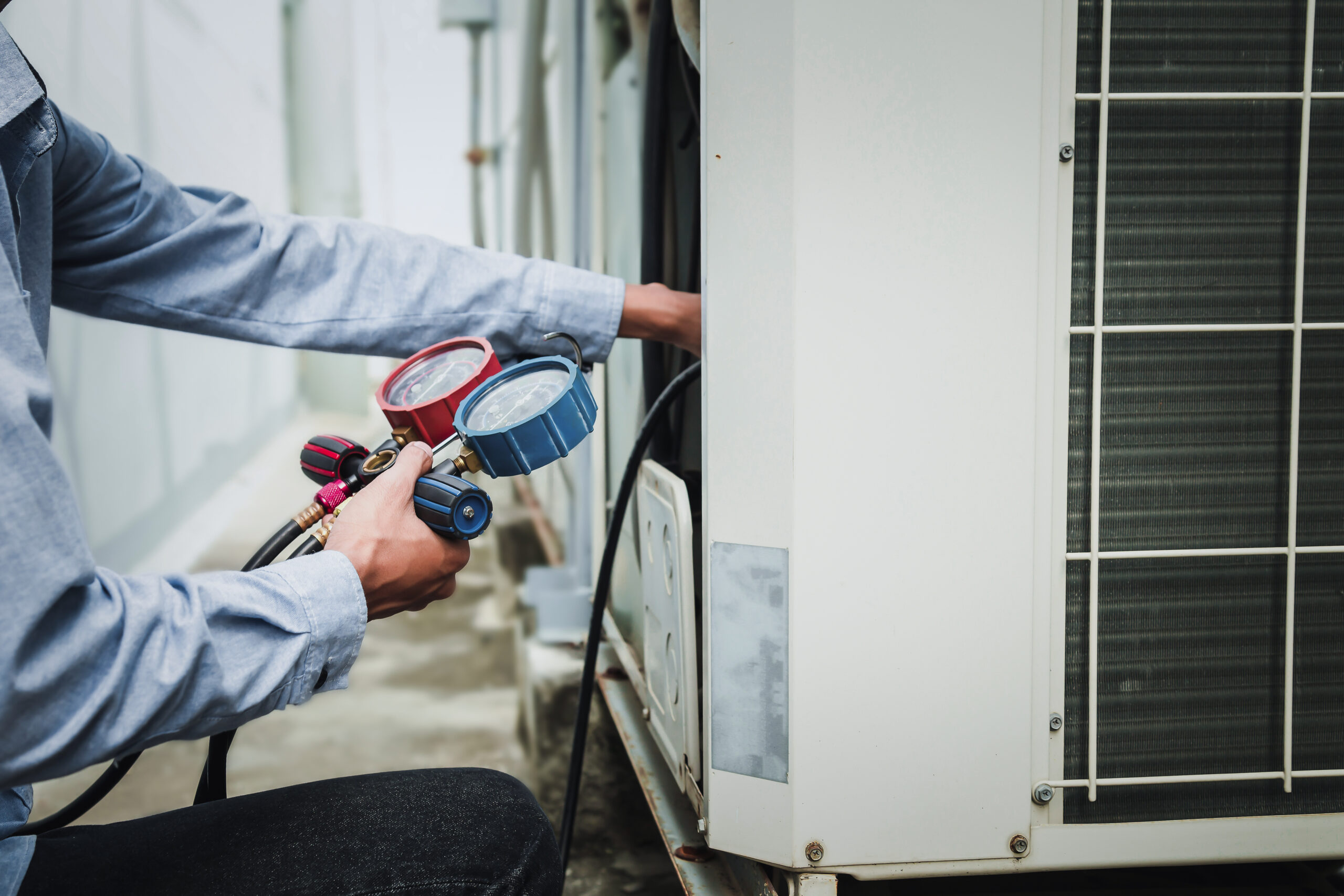
The best time to plan for a replacement is before your system fails — not when it's 95 degrees outside and every HVAC contractor in Tampa Bay is slammed with emergency calls.
Free in-home assessment. Honest advice. No pressure. Find out what your system is worth repairing — and what it isn't.
7 Signs Your AC Needs ReplacingRecognize the warning signs before your system fails on the hottest day of the year.
Financing AvailableDon't let cost delay a needed replacement. Flexible payment options available across Tampa Bay and Clermont.
How to Get More Years Out of Your Florida AC
Even though Florida's climate is tough on AC systems, there are practical steps you can take to get the most out of your unit — often adding 3 to 7 years to its useful life.
In Florida, replacing your filter every 30 days is often necessary — especially with pets, allergies, or high pollen levels. Clogged filters restrict airflow, strain the blower motor, and force the system to run longer.
Annual maintenance — ideally before peak summer demand — lets technicians clean coils, check refrigerant, inspect electrical components, and catch issues before they become breakdowns.
Ensure at least two feet of clearance on all sides. If you live near the coast, rinse the unit with fresh water monthly to flush away salt crust and corrosive debris.
Smart thermostats regulate run times, prevent overcooling, and reduce unnecessary operation — all of which reduce wear. Some models offer maintenance alerts and performance tracking ideal for Florida's demanding climate.
Most systems don't fail all at once — they leave clues first. Longer run times, weak cooling, or higher humidity are early signals worth acting on before a larger repair shows up.
Leaky ducts and poor insulation force your AC to work harder to maintain temperature. Sealing ducts and insulating attics or crawlspaces reduces system workload and extends equipment life.
Frequently Asked Questions
In Florida, AC units typically last 8 to 15 years — significantly shorter than the national average of 15 to 20 years. Florida systems run nearly year-round against intense heat, humidity, and coastal salt air, all of which accelerate wear on every major component.
Coastal homes within 5 miles of the ocean typically see AC systems last only 7 to 10 years due to salt air corrosion on outdoor coils, copper lines, and electrical components. Regular monthly rinsing and close inspection can help extend that range meaningfully.
The main factors are year-round runtime of 10 to 11 months, high humidity that forces constant dehumidification, coastal salt air corrosion, poor installation or undersized systems, and lack of routine maintenance. Any combination of these accelerates wear beyond the normal range.
If repair costs exceed 40 to 50 percent of the price of a new unit, replacement is usually the smarter investment. A system past the 10-year mark with recurring issues, poor humidity control, and rising energy bills is often better replaced than repaired. A free in-home assessment gives you a definitive answer for your specific system.
Change filters monthly, schedule two professional tune-ups per year, keep the outdoor condenser clean and clear, rinse coastal units with fresh water regularly, and address small issues before they become large repairs. A maintenance protection plan handles most of this automatically.
Watch for skyrocketing energy bills, frequent repairs, poor humidity control, uneven cooling, strange noises or odors, and a system age past 10 years. Any combination of these signals it is time for a professional assessment. See our full guide: 7 Signs Your AC Needs Replacing in Florida.

