


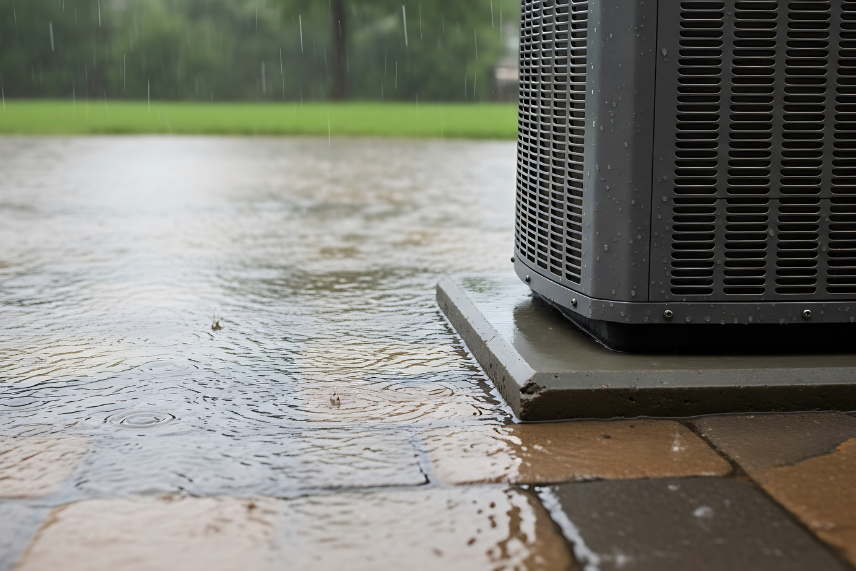
Protect Your AC Before, During, and After the Storm
Every Florida homeowner knows hurricane season is a question of when, not if. When a storm rolls through, your air conditioner is both vulnerable to damage and one of the most important tools in your recovery — because your family's comfort depends on getting cooling back as soon as power returns.
This guide walks you through how to protect your HVAC system before the storm and, just as importantly, how to safely bring it back online afterward. Follow these steps and you'll protect your investment, avoid dangerous mistakes, and get cool air restored faster.
The work you do before the storm determines whether your system survives it.
Expert Home Service is veteran-owned and proud to help Tampa Bay and the greater Orlando area prepare for and recover from severe weather. Whether you want a pre-season maintenance check to harden your system or you need fast help getting cooling back after a storm, our team is ready — emergency service available 6 AM to 11 PM, 7 days a week.
Your Pre-Storm HVAC Checklist
Tackle these while you still have time and calm weather. The preparation you do now determines how your system comes through the storm.
A well-maintained system is more resilient, and HVAC companies are slammed after a major storm. Getting a pre-season check now means you're not waiting in a long line for service later.
Take clear photos of your indoor and outdoor units from every angle, capturing the data plates with model and serial numbers. If you ever need to file an insurance claim, this documentation is invaluable.
The outdoor unit is the most vulnerable component in high winds. Make sure it's securely fastened to its concrete pad with hurricane straps — an unsecured unit can be moved or toppled by strong gusts.
Trim tree branches back from the unit, rake up loose debris, and secure or store outdoor furniture, grills, and anything else that could become a projectile in high winds.
Hurricane winds wreak havoc on the power grid, causing surges that can damage HVAC systems. A whole-home surge protector — or an inline surge protector on the HVAC circuit — guards your equipment.
As the storm approaches, pre-cool your home a few degrees, then shut the HVAC system off and flip its circuit breaker. This protects it from surges and from cycling on during unstable power.
Once the system is off, loosely cover the outdoor unit with a breathable, heavy-duty cover to keep debris out. Tie it down securely. Never cover the unit while it's still running — it needs unrestricted airflow.
Your Post-Storm AC Checklist
Once the storm passes, the temptation to immediately turn the AC back on is strong — the air is hot and humid and you want relief. But restarting a damaged system can be dangerous and can turn a repairable problem into a destroyed one. Work through these steps carefully.
Do NOT power on a submerged or flooded system. If your outdoor condenser or indoor equipment was flooded, leave the breaker off and call a licensed technician. Submerged electrical components pose a serious electrocution and fire risk.
Once flooding has receded and the power grid is stable, look the equipment over for physical damage, severed or bent copper lines, damaged electrical connections, and bent condenser fins.
Take off any cover and carefully clear away twigs, leaves, or roofing material lodged in or around the unit. The condenser needs clear airflow to operate safely.
A loss of power combined with high humidity often leads to clogged condensate drain lines. Clearing the line helps prevent water backups and indoor water damage when the system restarts.
If your air filters got wet or damp during the storm, discard and replace them immediately to prevent mold growth from circulating through your home.
If everything looks dry and undamaged, switch the breaker back on, wait a few minutes, then set the thermostat to cool. Listen for loud buzzing or grinding and watch for any electrical smell or smoke. If anything seems off, shut it down immediately and call a professional.
AC failed after the storm? Expert Home Service dispatches emergency technicians across Tampa Bay around the clock.
Maintenance Protection PlanPre-season maintenance hardens your system before storm season. Don't wait until the forecast says Category 3.
Financing AvailableStorm damage requiring a full replacement? Flexible financing options are available so comfort doesn't have to wait.
When to Call a Professional — Not DIY Territory
Some post-storm situations are safety matters, not maintenance tasks. Call a licensed technician right away if:
Your system was submerged or flooded
You see damaged electrical components or refrigerant lines
The system won't restart or won't cool after the storm
You notice any burning smell, smoke, or unusual noises on startup
The breaker trips immediately when you try to restart
When in doubt, leave it off and let a professional inspect it before you risk further damage or injury.

Expert Home Service is veteran-owned and proud to help Tampa Bay and the greater Orlando area prepare for and recover from severe weather. Emergency service available 6 AM to 11 PM, 7 days a week — before and after the storm.
Frequently Asked Questions
Before the storm, secure the outdoor unit to its pad with hurricane straps, clear away debris and projectiles, install surge protection, and shut the system off at the breaker as the storm approaches. Once it's off, you can loosely cover the outdoor unit with a breathable, tied-down cover — never while it's running.
No. If your system was submerged or flooded, do not turn it on. Submerged electrical components create a serious electrocution and fire risk. Leave the breaker off and have a licensed technician inspect the equipment before any attempt to restart it.
If the system wasn't flooded and the power grid has stabilized, inspect the equipment for damage, clear debris and the condensate line, then power on slowly and listen for anything unusual. If it was submerged, or if you see damage or smell anything burning, keep it off and call a professional.
You can cover it to protect against flying debris, but only after the system is shut off — a running unit needs unrestricted airflow. Use a breathable, heavy-duty cover and tie it down securely so it doesn't blow loose and cause damage.
Clear photos of your units and their data plates — model and serial numbers — make any insurance claim far smoother if the equipment is damaged. It's a five-minute task that can save significant hassle after the storm.
First confirm the system wasn't flooded and the breaker is on. If it still won't cool, or you notice odd noises, smells, or smoke, shut it off and schedule a professional inspection rather than running it, which can worsen the damage.

